
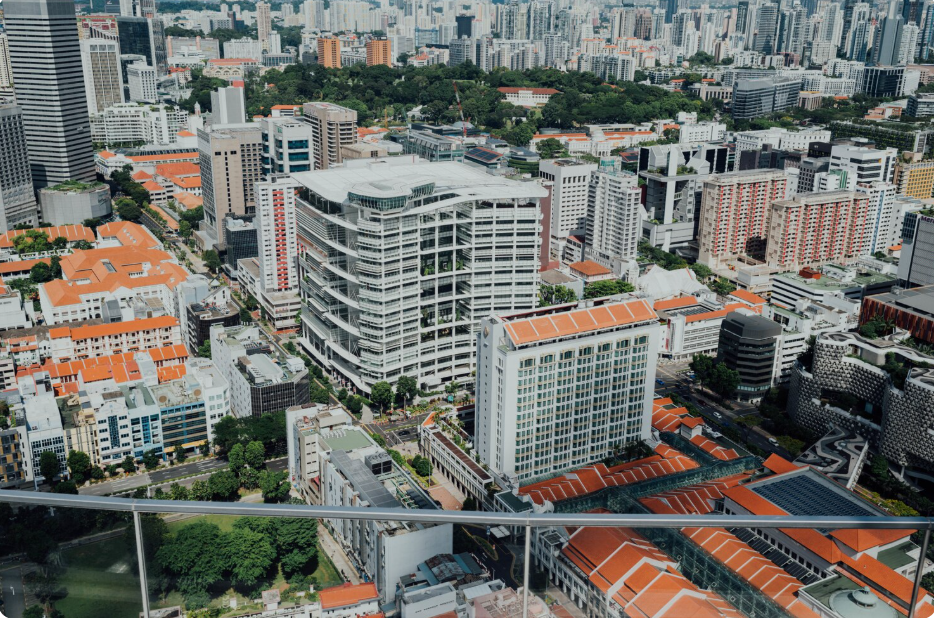
The evolution of urban housing design in Singapore reflects shifting residential priorities in a dense city-state where every square metre is precious. Over the past decade, condominium design has moved beyond mere aesthetic variation and size differentiation into a more nuanced focus on spatial logic, adaptability, and integration with broader urban needs. In evaluating today’s developments, discerning buyers assess how design decisions influence daily usability, long-term comfort, and the capacity to accommodate changing lifestyles.
A compelling case study in this evolution is found in developments such as Lentor Gardens Residences Floor Plan concepts, where the internal layout and overall building design illustrate how contemporary planning responds to real-life residential requirements. Likewise, Lentor Gardens Residences itself shows how exterior massing, unit orientation, and the relationship between private and communal space have been refined to address modern living.
From Standardised Units to Human-Centred Space Planning
Earlier generations of urban condominiums often prioritised maximising unit yield and visual impact over internal experience. Units were designed with formulaic room arrangements, long corridors, and limited flexibility in how spaces could be used. Residents frequently faced awkward circulation paths and underutilised corners that constrained how furniture could be placed or how everyday activities unfolded.
Today’s evolution favours human‑centred planning. Designers increasingly treat each unit as a dynamic environment capable of supporting multiple functions. For example, living and dining zones are now often planned as contiguous yet distinct spaces, allowing residents to configure them for a variety of uses—work, recreation, family time—without feeling boxed in. This shift is evident in the way Lentor Gardens Residences Floor Plan options prioritise fluidity between key living areas, reducing wasted transitional space and promoting adaptability.
Orientation and Natural Light Integration
Another hallmark of contemporary urban housing design is the strategic use of natural light and orientation. Singapore’s tropical climate makes daylighting and ventilation high priorities, not just for comfort but for reducing reliance on artificial lighting and cooling. Units that capture morning or afternoon light while avoiding glare create more pleasant living conditions and enhance energy efficiency over time.
The Lentor Gardens Residences exemplifies this trend by positioning units and designing façades to optimise sun exposure and airflow. Bedrooms receive diffused daylight to promote restful ambience, while living areas exploit wider outlooks to extend usable visual space. These design choices enhance both the psychological comfort of residents and the functional quality of everyday life.
Flexible Living for Changing Household Dynamics
Urban housing design evolution also responds to demographic shifts. Singapore’s condominium market now accommodates a broader spectrum of household types: young professionals, dual‑career families, multigenerational households, and empty nesters alike. Each of these groups has different spatial needs at various life stages.
Contemporary layouts increasingly incorporate flexible spaces that can be repurposed without structural alterations. For instance, smaller secondary rooms can serve as home offices, hobby zones, or guest bedrooms. Again, reviewing the Lentor Gardens Residences Floor Plan reveals how designers allocate space with this versatility in mind—avoiding rigid room assignments and instead offering zones that residents can personalise as needs evolve.
Balancing Privacy with Connectivity
Another significant shift in urban housing design is the balance between privacy and community. High‑density living often raises concerns about noise, sightlines, and the proximity of living areas to common facilities. Traditional designs placed residents either too close to active communal areas or too far, creating isolation and inconvenience.
Modern condominiums address this by careful zoning of private and shared spaces. Units are arranged to buffer noise from gyms, pools, or social lounges, while pathways and landscape elements create natural transitions between public and private zones. Developments like Lentor Gardens Residences demonstrate how communal facilities are positioned to be accessible yet unobtrusive, preserving residents’ peace without disconnecting them from desirable amenities. This approach reflects a deeper understanding of how space density and human behaviour interact in daily life.
Integration with Urban Infrastructure and Amenities
Contemporary design evolution also extends beyond the immediate site to consider a condominium’s relationship with its urban context. Singapore’s land scarcity necessitates thoughtful integration of residential developments with transportation, retail, education, and recreation networks.
Where older apartments might sit isolated from key services, newer projects are conceived as part of an ecosystem. Accessibility to MRTs, bus interchanges, community clubs, and neighbourhood parks is a central design driver, not an afterthought. Lentor Gardens Residences is situated to leverage these principles—providing residents with convenient links to broader city infrastructure while maintaining a distinct residential identity. This bridging of private dwelling and urban fabric enhances everyday convenience and long‑term livability.
Environmental Responsiveness and Sustainability
Sustainability has moved to the forefront of urban housing design. In Singapore’s tropical context, this means more than energy‑efficient appliances—it means planning buildings that respond intelligently to climate, vegetation, and human comfort.
Green roofs, vertical landscaping, and shaded outdoor communal areas reduce heat gain while promoting outdoor activity. Water recycling and efficient drainage reflect a growing awareness of environmental stewardship. Condo design now routinely considers how massing affects wind flow and microclimates within the site, enhancing comfort at ground level. Lentor Gardens Residences incorporates landscaped areas and spatial buffers that contribute to this environmental responsiveness, offering residents access to greenery that also serves practical cooling functions—an increasingly valued aspect of urban living.
Long‑Term Adaptability and Future Needs
Finally, urban housing design evolution recognises that housing must be future‑ready. Residential needs that are relevant today may shift dramatically over the next decade. Whether due to changes in work patterns, family structures, or demographic profiles, units that can accommodate evolving functions retain desirability.
This forward‑thinking design mindset is evident in how layouts, communal facilities, and site planning accommodate flexibility without compromising quality. By providing units with adaptable internal arrangements and communal areas with multipurpose potential, developments like Lentor Gardens Residences position themselves as enduring homes rather than fixed‑function properties.
Conclusion
Urban housing design in Singapore has moved beyond mere architecture to embrace comprehensive residential planning. Today’s condominiums reflect a sophisticated understanding of how people live, work, and interact in high‑density environments. Efficient spatial logic, environmental integration, adaptable unit layouts, and thoughtful urban integration define this evolution.
Developments such as Lentor Gardens Residences Floor Plan schemes and the broader Lentor Gardens Residences project illustrate how contemporary design principles translate into practical, comfortable, and future‑ready living environments. For buyers and residents seeking a home that meets today’s needs while anticipating tomorrow’s challenges, understanding these design evolutions is essential.
