
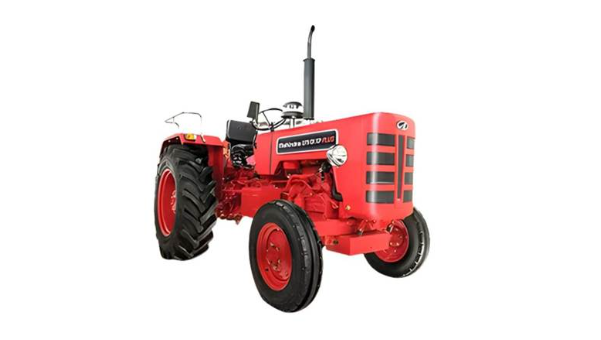
A tractor can finish work in hours that once took a full day, but it can also cause life-changing injuries in seconds. Most incidents happen during routine jobs – ploughing a familiar plot, hauling a trolley to the mandi, or attaching tractor implements in a hurry before the rain. The good news is that safe habits are simple, affordable, and worth repeating at every season start.
Start with the right machine, set up correctly
Safety begins before the key turns.
- Choose a tractor with a certified rollover protective structure (ROPS) where available, and always use the seat belt when ROPS is fitted. A belt keeps you inside the protection zone during an overturn.
- Check that guards and shields are in place, especially around the PTO shaft and belts. Missing guards should be treated like a broken brake – no work until fixed.
- Keep tyres matched and properly inflated. Uneven pressure increases the chance of a side slip on bunds, slopes, or wet paddy fields.
- Ensure working lights, indicators, and a reflective triangle are fitted if the tractor goes on village roads at dawn, dusk, or night.
Even experienced operators benefit from refresher training every year. Read the owner’s manual, keep safety decals visible, and allow only trained adults to drive. For hired drivers, insist on a licence and field test.
Make a quick “walk-around” a non-negotiable habit
Two minutes can prevent a breakdown or an accident.
- Look for hydraulic oil or diesel leaks under the tractor and near couplers used for tractor implements. Leaks are slippery and can fail under load.
- Test brakes individually (left and right) and together. On road work, brake pedals should be locked together to avoid sudden veering.
- Check steering play, clutch free-play, and the handbrake. A weak handbrake is dangerous when parking on uneven ground.
- Confirm that the hitch pin, lynch pin, and safety chains are in good condition before towing.
Climb on and off the safe way, every time
Falls are common, especially with muddy footwear during the monsoon.
- Use the “three points of contact” rule: two hands and one foot, or two feet and one hand.
- Face the tractor while climbing down; never jump off.
- Keep the steps and the operator platform clean. A simple rubber mat can reduce slips.
- Avoid carrying tools, seed bags, or a fuel can while climbing. Pass items up after you are seated.
Drive with stability in mind, not speed
A tractor is built for torque, not fast turns.
- Keep the load low and close to the rear axle. Raised front loaders or lifted implements shift the centre of gravity and increase overturn risk.
- Slow down before turns, potholes, and culverts. Sudden steering on a kutcha shoulder can pull a wheel into a ditch.
- On slopes, travel straight up or straight down when possible. Side-slope driving is the most common route to a rollover.
- If a wheel drops off a bund, don’t jerk the steering. Stop, assess, and recover slowly.
Pay special attention to PTO and rotating parts
The PTO can wrap clothing faster than you can react.
- Never step over a rotating PTO shaft, even for a second. Walk around the tractor.
- Wear fitted clothing; avoid loose gamchas, scarves, or open dhotis near rotating parts.
- Switch off the engine, remove the key, and wait for the engine to stop before adjusting implements or clearing choked residue.
- Replace PTO guards immediately if cracked or missing. A guard is cheaper than treatment and downtime.
Hitching and handling tractor implements without risk
Many injuries happen between the tractor and the attachment.
- Park on level ground, lower the linkage, and use the handbrake before connecting tractor implements.
- Never ask a helper to “guide” with hands near the drawbar while you reverse. Use agreed hand signals and keep people well clear.
- Use the correct hitch points only. Towing from the axle or higher than the drawbar increases the chance of a rear flip.
- Balance mounted equipment and use stabilisers to reduce sway. Sway can strike legs and can also pull the tractor sideways on a bund.
Road travel needs a different mindset
Indian rural roads mix tractors, bikes, pedestrians, and animals.
- Keep speed modest and allow longer braking distance when towing a loaded trolley.
- Use indicators early, and avoid sudden lane changes. A tractor is wide; give yourself room.
- Ensure the trolley has functional brakes if possible, and do not overload beyond safe limits. Overloading increases jack-knifing on turns.
- Use reflectors and clean lights. Dust from harvest work can make a tractor nearly invisible at night.
- Be careful at railway crossings and blind curves; stop fully if visibility is poor.
Keep people safe: passengers, children, and helpers
One seat means one person. Extra riders change balance and create fall hazards.
- Do not carry passengers on the mudguard, drawbar, trolley edge, or on tractor implements.
- Keep children away from the work area. If they must be nearby, assign one adult only to supervise them – never “watch while driving”.
- When working with labourers, agree on a safe distance around the tractor and demonstrate the danger zone near the PTO and linkage.
- Use a horn where needed and make eye contact before moving. Many run-overs happen during reversing.
Weather, visibility, and fatigue are real risks
Most farms work to the sky and the season, but the body still needs limits.
- Avoid field work during heavy rain or when soil is waterlogged; tyres can slide and the tractor can sink and tilt.
- During foggy winter mornings, delay road travel until visibility improves, or use hazard lights and reflective markers.
- Take short breaks on long harvesting days. Fatigue leads to missed steps, poor judgement, and late braking.
- If you feel drowsy, park safely, switch off, and rest. No deadline is worth an accident.
Maintenance and storage: treat safety as daily care
A well-kept tractor responds predictably.
- Follow service intervals for brakes, steering, and hydraulics. Don’t postpone repairs just because the machine “still runs”.
- Keep fuel stored in approved containers, away from sparks, and never refuel a hot engine.
- Park with tractor implements lowered to the ground to prevent sudden drop. Use wheel chocks if the ground is uneven.
- Store tools properly; loose spanners on the platform can jam pedals.
Be ready for emergencies
Planning for the worst makes the best days safer.
- Carry a basic first-aid kit, a torch, and a charged phone. In many villages, help is a few kilometres away.
- Teach everyone on the farm how to shut down the tractor quickly and where the fire extinguisher is kept, if you have one.
- Report near-misses and fix the cause. A bent hitch pin or a worn tyre is a warning, not “normal”.
- If an overturn begins, stay in the seat with the belt on and hold the steering wheel; jumping is often fatal.
Final words
Safe farming is skilled farming. When you treat the tractor and tractor implements with respect – steady driving, guarded PTOs, careful hitching, and clear rules for people – you protect your family, your workers, and your harvest. Make these habits part of every season, and your machine will serve you for years without costing you more than fuel and maintenance.
