
Introduction
A 2 tons mini excavator is a smart choice when you need strong digging power without the size and cost of a full-size machine. It is built for small construction sites, landscaping projects, farm work, trenching, grading, and tight-access jobs where larger equipment may be difficult to move. For contractors, property owners, and equipment buyers, this type of compact excavator offers a practical balance of power, control, and mobility.
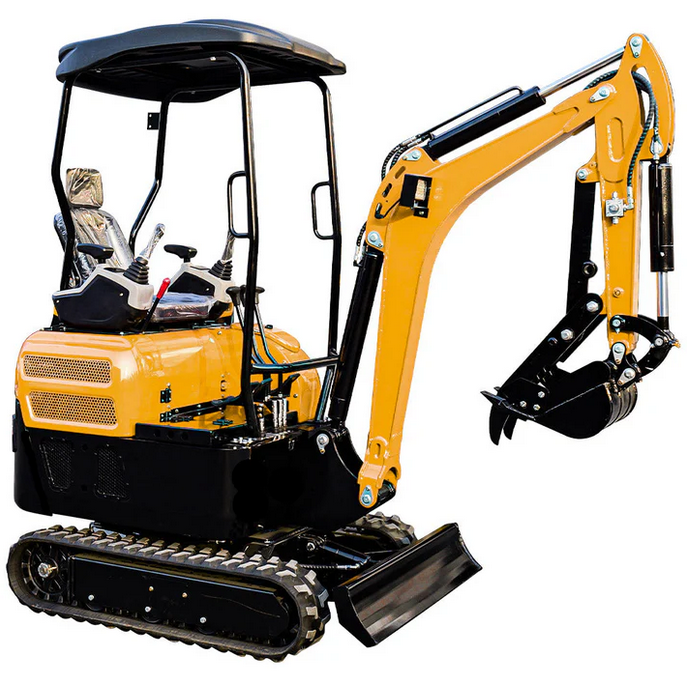
If you are comparing machines for daily jobsite use, the MS20 2-Tons Mini Excavator is one option designed with a Kubota diesel engine, hydraulic pilot controls, and attachment support. You can view the product here: https://www.mmsce.com/products/ms20-2-tons-mini-excavator-kubota-diesel-engine-hydraulic-pilot-excavator
Topic Overview: What Is a 2 Tons Mini Excavator?
A 2 tons mini excavator is a compact digging machine designed for jobs that require precision, power, and easy movement in smaller spaces. It is commonly used for digging trenches, preparing foundations, removing stumps, grading soil, creating drainage lines, and handling light demolition tasks.
Compared with larger excavators, a compact excavator is easier to transport and operate in residential areas, narrow job sites, gardens, farms, and urban construction zones. The smaller size also helps reduce surface damage, which is useful when working around lawns, driveways, sidewalks, and finished landscapes.
The MMS MS20 model includes a Kubota D902 diesel engine, 11.8 kW rated power, and a maximum digging depth of 2060 mm, making it suitable for practical excavation work in tight areas.
Key Features and Options of a 2 Tons Mini Excavator
When choosing a 2 tons mini excavator, the most important features are engine performance, digging depth, hydraulic control, bucket capacity, attachment compatibility, and operator comfort. These details affect how efficiently the machine performs on different jobs.
Important features to consider
Kubota diesel engine:
A Kubota diesel mini excavator is valued for fuel efficiency, steady power, and long-term reliability. The MS20 uses a Kubota D902 diesel engine with three-cylinder water cooling, which helps support stable operation during demanding tasks.
Hydraulic pilot control:
A hydraulic pilot excavator gives smoother control over the boom, bucket, and arm. This helps operators work more accurately when digging near walls, pipes, fences, or landscaping features.
Digging capacity:
The MS20 has a maximum digging depth of 2060 mm, maximum digging height of 2580 mm, and maximum dumping height of 1637 mm. These specifications make it useful for trenching, soil removal, and small construction projects.
Attachment options:
Mini excavator attachments can increase the machine’s value. The product page notes available attachments such as a grapple, auger, ripper, hammer, rake, and quick hitch for different tasks like drilling, loosening soil, breaking material, and clearing brush.
Compact machine size:
The machine’s overall dimensions are listed as 2730 × 1230 × 2520 mm, helping it fit into tighter work zones while still offering useful digging reach.
Benefits of Using a 2 Tons Mini Excavator
The biggest benefit of a 2 tons mini excavator is flexibility. One machine can support many types of work, from digging and trenching to land clearing and material handling. For small contractors, this means fewer manual labor hours and better productivity on compact job sites.
A small excavator is also easier to maneuver than larger machines. If you work in residential spaces, farms, nurseries, landscaping areas, or small commercial sites, compact size matters. It allows the operator to work closer to structures without needing excessive space.
Another important benefit is cost efficiency. Instead of renting different machines for every task, a compact excavator with the right attachments can handle multiple jobs. The MMS product page also highlights free U.S. shipping, a 1-year warranty, and lifetime technical support, which can help buyers reduce ownership concerns.
How to Choose the Right 2 Tons Mini Excavator
Choosing the right machine starts with understanding your job type, work environment, and long-term equipment needs. A low-cost machine may look attractive, but performance, service support, and attachment compatibility matter more over time.
Step 1: Match the machine to your main job
If your work includes trenching, drainage, landscaping, small foundation digging, or farm maintenance, a 2 tons mini excavator can be a strong fit. For heavier demolition or large-scale earthmoving, you may need a bigger machine.
Step 2: Check the engine
Look for a reliable diesel engine with enough power for daily use. A Kubota diesel mini excavator is often preferred because diesel engines are built for torque, durability, and fuel economy.
Step 3: Review digging depth and reach
Do not choose only by machine weight. Check the maximum digging depth, digging height, dumping height, and digging radius. These specs show whether the machine can actually handle your project requirements.
Step 4: Look at hydraulic performance
A hydraulic pilot excavator can provide more responsive operation. This is especially helpful when digging in narrow spaces or working around existing structures.
Step 5: Consider attachments
Choose a machine that supports practical mini excavator attachments. Buckets, augers, hammers, rippers, thumbs, and grapples can expand the machine’s use and improve return on investment.
Step 6: Check warranty and support
Before buying, review shipping, warranty, after-sales support, and parts availability. The MS20 product page mentions a 1-year warranty and lifetime technical support.
Product link: https://www.mmsce.com/products/mms-60-mulcher-attachment-for-skid-steer-loader
Expert Tips and Best Practices
To get the best performance from a 2 tons mini excavator, always inspect the machine before use. Check hydraulic hoses, track tension, fuel level, engine oil, bucket pins, and attachment connections. Small checks can prevent costly delays on the jobsite.
Use the correct bucket or attachment for each task. A narrow bucket works well for trenching, while a wider bucket is better for grading and soil movement. For land clearing, a thumb clip or grapple can help handle branches, roots, and debris more effectively.
Operators should also avoid overloading the bucket. Even a powerful compact excavator has safe working limits. Working within the machine’s capacity improves safety, protects the hydraulic system, and extends equipment life.
For better results, plan your digging path before starting. Keep the machine stable, avoid sudden movements, and work from firm ground whenever possible.
Conclusion
A 2 tons mini excavator is a practical investment for buyers who need compact size, reliable digging power, and flexible jobsite performance. With the right engine, hydraulic controls, digging depth, and attachment options, it can support landscaping, construction, farm, drainage, and property maintenance tasks.
The MS20 model offers a Kubota diesel engine, hydraulic pilot control, useful digging specifications, and attachment support for different applications. If you need a compact excavator for small job sites, compare the specs carefully and choose a machine that fits your daily workload.
